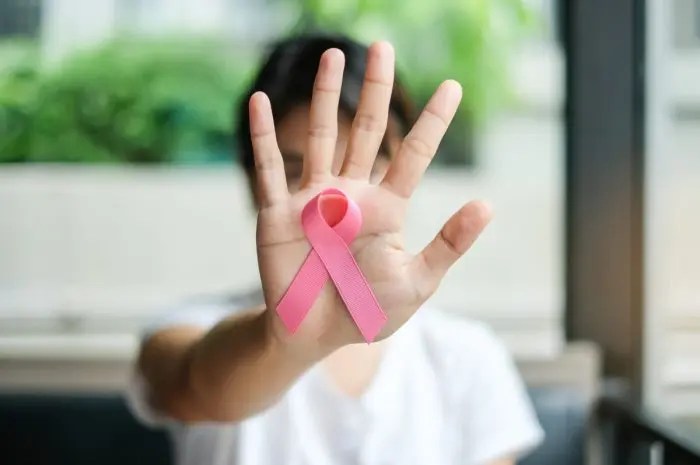
Living a healthy lifestyle is one of the most effective ways to reduce the risk of cancer. While cancer can be influenced by genetic factors and other variables beyond our control, adopting healthy habits can significantly lower the likelihood of developing this disease. In this article, we’ll explore a variety of healthy living tips that can help reduce cancer risk.
Maintain a Healthy Weight
Being overweight or obese is a significant risk factor for several types of cancer, including breast, colorectal, pancreatic, and kidney cancer, among others. Aim to maintain a healthy weight through a balanced diet and regular physical activity.
Focus on incorporating more fruits, vegetables, whole grains, and lean proteins into your diet while limiting processed foods, sugary beverages, and high-fat foods.
Follow a Balanced Diet
A healthy diet is essential for overall health and can play a significant role in cancer prevention. Aim to eat a variety of nutrient-rich foods, including fruits, vegetables, whole grains, lean proteins, and healthy fats.
Limit your intake of red and processed meats, which have been linked to an increased risk of colorectal cancer.
Opt for plant-based sources of protein and choose lean cuts of meat when you do consume animal products.
Stay Active
Regular physical activity is crucial for maintaining a healthy weight and reducing cancer risk. Aim for at least 150 minutes of moderate-intensity exercise or 75 minutes of vigorous-intensity exercise each week, as recommended by the American Cancer Society.
Find activities you enjoy, such as walking, swimming, cycling, or dancing, and make exercise a regular part of your routine.
Avoid Tobacco
Tobacco use is the single largest preventable cause of cancer worldwide, accounting for a significant percentage of cancer cases. If you smoke, quitting is one of the best things you can do for your health.
Avoid exposure to secondhand smoke, and steer clear of other tobacco products, including smokeless tobacco and electronic cigarettes, which also pose health risks.
Limit Alcohol Consumption
Excessive alcohol consumption has been linked to an increased risk of several types of cancer, including breast, liver, colorectal, and esophageal cancer. If you choose to drink alcohol, do so in moderation.
The American Cancer Society recommends limiting alcohol intake to no more than one drink per day for women and two drinks per day for men.
Protect Your Skin
Exposure to ultraviolet (UV) radiation from the sun and indoor tanning beds can increase the risk of skin cancer, including melanoma, the deadliest form of skin cancer.
Protect your skin by seeking shade, wearing protective clothing, including a wide-brimmed hat and sunglasses, and using sunscreen with a high SPF regularly.
Get Screened Regularly
Regular cancer screenings can help detect cancer at an early stage when it’s most treatable. Talk to your healthcare provider about recommended screening tests for your age, gender, and risk factors.
Common screening tests include mammograms for breast cancer, Pap tests and HPV tests for cervical cancer, colonoscopies for colorectal cancer, and skin exams for skin cancer.
Manage Stress
Chronic stress can weaken the immune system and contribute to inflammation, which may increase the risk of cancer.
Find healthy ways to manage stress, such as practicing relaxation techniques, engaging in regular physical activity, spending time with loved ones, and seeking support from friends, family, or a mental health professional when needed.
Conclusion
Reducing cancer risk involves making healthy lifestyle choices and adopting habits that promote overall well-being.
By maintaining a healthy weight, following a balanced diet, staying physically active, avoiding tobacco and excessive alcohol consumption, protecting your skin from UV radiation, getting screened regularly, managing stress, and following other preventive measures, you can significantly lower your risk of developing cancer and improve your overall health and quality of life.
Remember that small changes can make a big difference in reducing cancer risk, so start incorporating these healthy habits into your daily routine today.
 Looks Science